
What is CV Plaque?
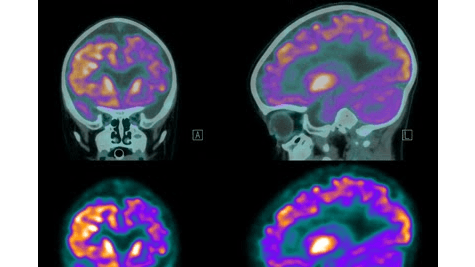
Cardiovascular plaque, also called atherosclerotic plaque, develops in the walls of arteries. It is not simply a deposit of cholesterol: plaque can contain cholesterol and other fats, inflammatory cells, connective tissue, and, in some cases, calcium. As plaque builds up, it may narrow an artery and limit blood flow.
Atherosclerosis often develops gradually and may cause no noticeable symptoms for years. The amount and characteristics of plaque can vary between people and between different arteries.
Some plaques have a larger soft, lipid-rich core and a thinner covering. These plaques may be more prone to rupture than plaques with thicker, more stable coverings. If a plaque ruptures, the body may form a blood clot at the site. A clot that significantly blocks blood flow in a coronary artery can cause a heart attack.
Plaque rupture is one pathway to a heart attack, but not every soft plaque ruptures, and a heart attack can have other causes. The video’s comparison to a “squishy blob” is an analogy; plaque is a complex structure within an artery wall, not simply material floating inside the vessel.

It is therefore too broad to say that calcified plaque is always stable or that it necessarily signals a large amount of soft plaque. Plaque composition and risk depend on the person and the clinical findings. A healthcare professional can explain what an imaging result means alongside factors such as blood pressure, cholesterol, diabetes, smoking, and family history.
Plaque is one part of cardiovascular risk—not a stand-alone diagnosis of what will happen next. If a scan or test has shown plaque or coronary calcium, discuss the result with a clinician rather than trying to infer risk from the plaque label alone.
Risk reduction is individualized. Depending on a person’s health and risk profile, a clinician may recommend measures such as not smoking, regular physical activity, a heart-healthy eating pattern, and treatment for high blood pressure or cholesterol. Medication decisions should be made with a healthcare professional.
Possible heart attack symptoms include chest pressure or discomfort, shortness of breath, pain in the arm, back, neck, jaw, or stomach, nausea, or sudden lightheadedness. Symptoms can differ between people. If you think you may be having a heart attack, contact emergency services immediately.


From Around The Web



Healthy Shark is a blog & weekly newsletter that curates trending news and products related to health and wellness from around the web. We also gather content from various sources, including leading health professionals, and deliver it directly to you.
Please note that we may receive compensation if you purchase any products featured in our newsletter. Healthy Shark is not affiliated with, nor does it endorse, any health professionals whose content may appear in our newsletter. The information provided is for general informational purposes only and should not be considered medical advice.
The information provided is not intended to replace professional medical advice, diagnosis, or treatment. All content, including text, graphics, images, and information available is for general informational purposes only. We do not guarantee the accuracy or completeness of any information presented and assume no liability for any errors or omissions. The content is subject to change without notice. We encourage you to verify any information with other reliable sources and consult your physician regarding any medical conditions or treatments.