5 things I’d NEVER do as a dental hygienist #shorts
Good oral hygiene depends less on adding products or complicated steps and more on using basic tools well. These five reminders focus on technique, purpose, and making informed choices about daily care.
Floss should clean the sides of the teeth and the area just below the gumline. Rather than moving it rapidly back and forth like a seesaw, guide it gently between the teeth. Curve the floss around each tooth and slide it up and down along the surface. Gentle technique can help clean effectively while reducing the risk of irritating the gums.
An electric toothbrush is designed to make brushing movements for you. Hold the brush at the teeth and move it slowly from one area to the next, following the product’s instructions. Scrubbing as though it were a manual toothbrush or pressing too hard may irritate the gums and does not necessarily improve cleaning. Brush for the recommended duration, covering all tooth surfaces.
Mouthwash is not essential for everyone, and different products serve different purposes. Some contain fluoride to help prevent cavities; others may be recommended for specific oral health concerns. Choose a product based on your needs and follow its label. If you are unsure whether mouthwash is appropriate, ask a dentist or dental hygienist rather than using it automatically or as a substitute for brushing and flossing.
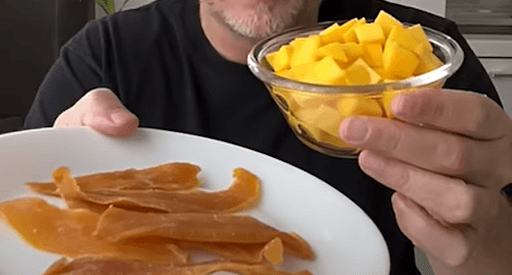
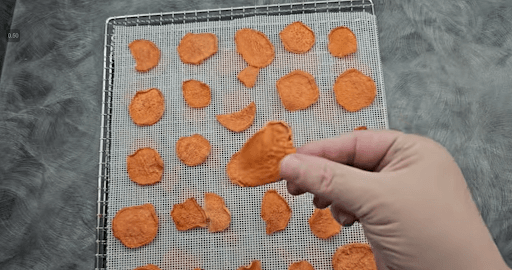
The effect of a snack depends on more than whether it tastes sweet. Sugary foods can contribute to tooth decay, especially with frequent exposure, while starchy snacks such as chips can also leave particles around the teeth and be broken down into sugars. Frequency, portion size, and overall eating patterns matter. Water and regular brushing with fluoride toothpaste support oral health, but no single snack choice guarantees protection from cavities.
For most people, a consistent foundation includes brushing twice a day with fluoride toothpaste, cleaning between the teeth daily, and following individualized advice from a dental professional. Add products such as mouthwash when they meet a specific need, and use them as directed.
These habits are reminders, not a replacement for personalized dental care. Technique and product recommendations may vary depending on a person’s teeth, gums, and oral health needs.


From Around The Web
Healthy Shark is a blog & weekly newsletter that curates trending news and products related to health and wellness from around the web. We also gather content from various sources, including leading health professionals, and deliver it directly to you.
Please note that we may receive compensation if you purchase any products featured in our newsletter. Healthy Shark is not affiliated with, nor does it endorse, any health professionals whose content may appear in our newsletter. The information provided is for general informational purposes only and should not be considered medical advice.
The information provided is not intended to replace professional medical advice, diagnosis, or treatment. All content, including text, graphics, images, and information available is for general informational purposes only. We do not guarantee the accuracy or completeness of any information presented and assume no liability for any errors or omissions. The content is subject to change without notice. We encourage you to verify any information with other reliable sources and consult your physician regarding any medical conditions or treatments.