The Best STRETCH to Stop Sciatica Pain
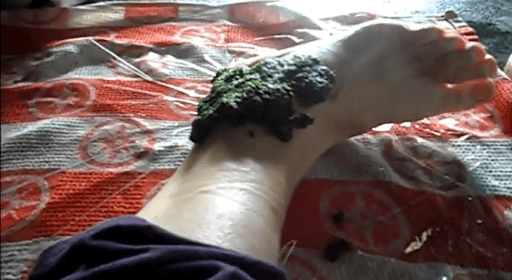
Sciatica is a condition associated with pain along the sciatic nerve, the body's longest and largest nerve, which travels from the lower back through the buttocks and down each leg. Unfortunately, common medical advice often involves long-term medication use, which may not address the root cause. Interestingly, research shows that certain nutrient deficiencies significantly impact sciatica, and addressing these deficiencies promises substantial relief. This article dives into three vital nutrients that, when properly balanced, have the potential to alleviate sciatic pain.
The first crucial nutrient for combating sciatica is Vitamin D. It plays a pivotal role in reducing inflammation and repairing damage in nerves, discs, connective tissues, and muscles. Its potent anti-inflammatory properties bear similarities to medications like prednisone but without side effects. Sadly, the standard recommendations of 600–800 IU often miss the mark; higher daily doses are imperative for therapeutic effects, especially among individuals with metabolic issues like pre-diabetes. Ensuring adequate Vitamin D levels bolsters the structural integrity and function of the spine, where deficiency could result in lower back pain—an alarming symptom linked directly to inadequate Vitamin D intake.
Magnesium emerges as the second essential nutrient. It combats inflammation and complements Vitamin D by assisting with muscle relaxation. While calcium triggers muscle contractions, magnesium is needed for muscle relaxation, essential for avoiding cramps and maintaining healthy muscles. Insufficient magnesium can also impede the efficacy of Vitamin D and its counterpart, Vitamin K2, making it doubly important. Foods rich in magnesium include leafy greens, seeds, nuts, and magnesium-rich bone broth; however, some ‘healthy’ sources might also bring along oxalates, which could worsen arthritis-like symptoms unless balanced with foods like cheese.
Vitamin B12 deficiency can exacerbate neuropathic symptoms associated with sciatica, such as numbness, tingling, or burning sensations. As an anti-inflammatory agent, B12 ensures the nervous system’s overall health. To maintain adequate B12 levels, consuming animal products, mainly red meat or liver, is effective, but vegans need to incorporate B12 from external supplements to avoid deficiency.
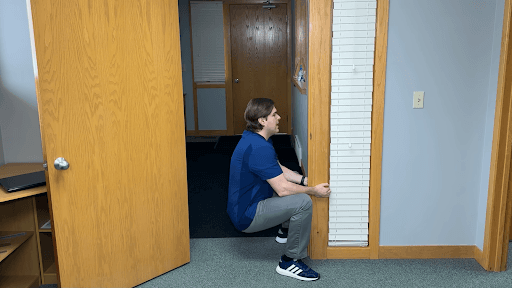
Begin your routine in a seated position on a stool or chair, with one leg extended straight and the other leg bent. This configuration allows the easy gliding of the foot backward across the floor, thereby stretching the fascia on the hip and abdomen effectively. Concentrating these particular stretches on the frontal fascia creates relaxation in the leg's posterior region and lumbar zones, often key for sciatica relief.
Another effective fascia stretch involves standing while holding onto a support. Starting with the left foot, elevate it backwards, holding the foot to stretch the front thigh fascia. Especially helpful for balancing tension front and back, repeating the moves aids in symmetry and potentially eases nerve-related discomfort across both sides.
While combating sciatica might seem daunting, incorporating a daily protocol of strategic nutrient supplementation and innovative stretching clears a path toward relief. It's paramount to adopt both preventative and active measures to address nutrient deficiencies and conduct the described stretches diligently, highlighting how simple changes can ward off the often recommended, yet invasive, surgical routes.


From Around The Web

Healthy Shark is a blog & weekly newsletter that curates trending news and products related to health and wellness from around the web. We also gather content from various sources, including leading health professionals, and deliver it directly to you.
Please note that we may receive compensation if you purchase any products featured in our newsletter. Healthy Shark is not affiliated with, nor does it endorse, any health professionals whose content may appear in our newsletter. The information provided is for general informational purposes only and should not be considered medical advice.
The information provided is not intended to replace professional medical advice, diagnosis, or treatment. All content, including text, graphics, images, and information available is for general informational purposes only. We do not guarantee the accuracy or completeness of any information presented and assume no liability for any errors or omissions. The content is subject to change without notice. We encourage you to verify any information with other reliable sources and consult your physician regarding any medical conditions or treatments.