
Take Fennel Seeds, But Don't Make the Same Mistake Many People Do
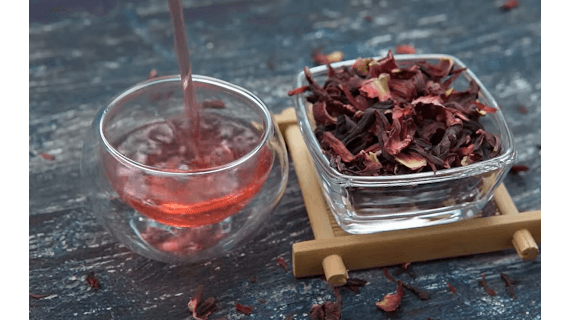
Fennel seeds come from Foeniculum vulgare, an aromatic plant cultivated around the world. Their mildly sweet, anise-like flavor makes them common in cooking, teas, and traditional remedies. They contain fiber and plant compounds, including essential oils, that may affect digestion and inflammation. However, traditional use and laboratory findings do not establish that fennel seeds prevent or treat disease.
Fennel seeds are often chewed or brewed as tea after a meal. Their compounds may relax smooth muscle in the digestive tract, which could help ease gas, bloating, or mild cramping for some people. Small amounts can also be added to meals for flavor. Claims that fennel boosts metabolism or prevents chronic diseases such as cancer or heart disease are not established by the information presented here.
Fennel contains antioxidants, and research on extracts has reported anti-inflammatory and antibacterial activity. Much of this evidence comes from laboratory or other early-stage research, so it should not be taken as proof that eating fennel seeds treats infections or reduces disease risk in people.
Fennel has also been used traditionally for menstrual discomfort. Some research suggests fennel preparations may reduce cramps, possibly through muscle-relaxing effects. Results from specific extracts or doses cannot necessarily be applied to ordinary culinary use, and fennel should not replace appropriate medical care for severe or persistent pain.
There is no single proven best time or dose for everyone. Having a small culinary portion after a meal is a common approach, but it is not a guaranteed treatment for digestive symptoms. If you have a sensitive stomach, start with a small amount; the transcript suggests about half a teaspoon. Fennel seeds contain fiber, and increasing fiber quickly may worsen gas, bloating, or constipation. Drink enough fluids and reduce or stop use if symptoms increase.
Fennel contains compounds with estrogen-like activity. The safety of concentrated fennel products during pregnancy is not well established, so pregnant people should ask a healthcare professional before using fennel medicinally or taking supplements. Ordinary amounts used as a spice differ from concentrated doses.
Fennel has traditionally been used to increase breast milk, but evidence of effectiveness is mixed. Large or frequent amounts may expose a nursing infant to fennel compounds through breast milk, and adverse effects have been reported. Breastfeeding parents should discuss medicinal use with a healthcare professional and avoid assuming that fennel is a proven or risk-free way to increase milk supply.
People with chronic kidney disease may need individualized limits on sodium and potassium, depending on kidney function, blood tests, and treatment. The amount supplied by a typical serving of fennel seeds may be small, but concentrated products or frequent use should be reviewed with a clinician or renal dietitian. Do not rely on a general serving recommendation as safe for every person with kidney disease.
Fennel products may also interact with medicines. The transcript raises particular concern about blood thinners such as warfarin, but interaction evidence and risk can vary by product and dose. Check with a pharmacist or prescriber before using fennel supplements or medicinal quantities, especially if you take prescription medicines.
- Use fennel seeds primarily as a food or seasoning if you enjoy their flavor.
- Try a small amount first and stop if it causes discomfort or an allergic reaction.
- Ask a healthcare professional before using concentrated fennel products during pregnancy or breastfeeding, or if you have kidney disease or take medicines with potential interactions.
Fennel seeds can be a useful culinary ingredient and may offer mild digestive relief for some people. Their benefits should be kept in perspective: early research does not make them a substitute for diagnosis or treatment, and safety depends on personal health conditions, dose, and product type.


From Around The Web

Healthy Shark is a blog & weekly newsletter that curates trending news and products related to health and wellness from around the web. We also gather content from various sources, including leading health professionals, and deliver it directly to you.
Please note that we may receive compensation if you purchase any products featured in our newsletter. Healthy Shark is not affiliated with, nor does it endorse, any health professionals whose content may appear in our newsletter. The information provided is for general informational purposes only and should not be considered medical advice.
The information provided is not intended to replace professional medical advice, diagnosis, or treatment. All content, including text, graphics, images, and information available is for general informational purposes only. We do not guarantee the accuracy or completeness of any information presented and assume no liability for any errors or omissions. The content is subject to change without notice. We encourage you to verify any information with other reliable sources and consult your physician regarding any medical conditions or treatments.