8 Ways To Be There For Someone Who is Sick
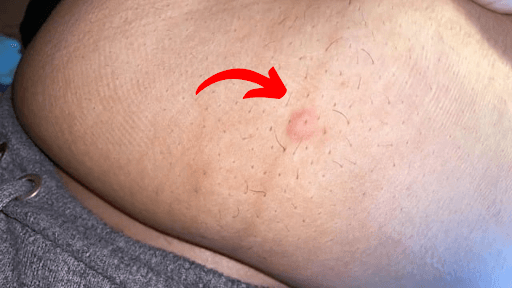
Supporting a person who has received a troubling medical diagnosis can be a delicate endeavor. It's essential to offer genuine help while maintaining sensitivity to their emotional and physical condition. This article explores eight strategies for providing meaningful support.
When engaging with someone who is unwell, it's crucial to focus the conversation and energy on their current needs. Resist the urge to discuss personal challenges, which can shift attention away from their situation, causing unnecessary stress.
Instead of asking open-ended questions like "How can I help?," suggest specific acts such as giving them a ride to appointments or running errands. Many individuals are hesitant to ask for assistance, so taking proactive steps is more effective in meeting their needs.
Simple, heartfelt gifts such as flowers, a book, or a handcrafted item can provide comfort and show you care. These tokens need not be extravagant but should be given with sincerity and thoughtfulness.
Regular communication through calls, texts, or video messages can be immensely comforting. Simple gestures like sharing photos or videos of family events help foster a connection that can be uplifting.

Prepare small packages containing comforting items such as snacks, books, or other thoughtful objects. Choose items that cater to the person's tastes and hobbies, as this personalized touch shows attentiveness.
Offer to step in as a temporary caregiver, giving permanent caregivers time for necessary self-care. Even short periods of respite can alleviate the stress faced by full-time caregivers.
Encourage open dialogue by using non-judgmental language. Use phrases like "tell me more" or "what else?" to allow the person to express their thoughts freely, which can be therapeutic and reassuring for them.
"When someone opens up about their struggles, saying 'tell me more' invites them to share without fear of judgment."
These methods, inspired by insights in a blog by Carol Casaro, highlight the significance of empathy and the difference it can make in enhancing one's experience during their medical journey. In practicing these steps, friends and family can better navigate the challenges of supporting a loved one through illness.


From Around The Web


Healthy Shark is a blog & weekly newsletter that curates trending news and products related to health and wellness from around the web. We also gather content from various sources, including leading health professionals, and deliver it directly to you.
Please note that we may receive compensation if you purchase any products featured in our newsletter. Healthy Shark is not affiliated with, nor does it endorse, any health professionals whose content may appear in our newsletter. The information provided is for general informational purposes only and should not be considered medical advice.
The information provided is not intended to replace professional medical advice, diagnosis, or treatment. All content, including text, graphics, images, and information available is for general informational purposes only. We do not guarantee the accuracy or completeness of any information presented and assume no liability for any errors or omissions. The content is subject to change without notice. We encourage you to verify any information with other reliable sources and consult your physician regarding any medical conditions or treatments.