3 Ways Wheat Undermines Your Well-Being
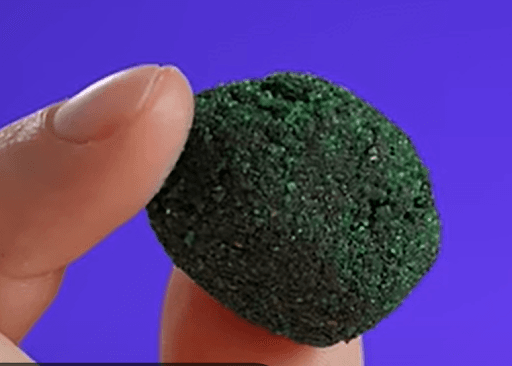
The advent of modern wheat varieties was intended to address global food shortages by increasing crop yields. However, these changes have inadvertently led to various health challenges.
In the 1960s and 70s, scientists developed new strains of wheat aiming for higher output per acre. This shift predominantly focused on a short, stocky plant with increased yields. Researchers did not foresee the health implications tied to these genetic modifications.
Modern wheat contains higher levels of wheat germ agglutinin, a protein causing bowel inflammation by acting as a potent toxin. Unlike gluten, which is the usual suspect, wheat germ agglutinin can lead to blood agglutination due to its interaction with the bloodstream.

Modern wheat produces peptides from gliadin, a protein component, that affect the brain's opioid receptors, significantly stimulating appetite. This has led to increased calorie consumption by 400–800 calories a day, with some individuals consuming up to 1500 extra calories.
Reducing or eliminating wheat from the diet often leads to a decreased appetite and improved nutritional status. People report feeling full for longer periods, which may contribute to maintaining healthier eating patterns without the need to count calories.
"If they stop eating wheat, their hemoglobins is normal within two weeks. That's how profound the effect can be..."


From Around The Web


Healthy Shark is a blog & weekly newsletter that curates trending news and products related to health and wellness from around the web. We also gather content from various sources, including leading health professionals, and deliver it directly to you.
Please note that we may receive compensation if you purchase any products featured in our newsletter. Healthy Shark is not affiliated with, nor does it endorse, any health professionals whose content may appear in our newsletter. The information provided is for general informational purposes only and should not be considered medical advice.
The information provided is not intended to replace professional medical advice, diagnosis, or treatment. All content, including text, graphics, images, and information available is for general informational purposes only. We do not guarantee the accuracy or completeness of any information presented and assume no liability for any errors or omissions. The content is subject to change without notice. We encourage you to verify any information with other reliable sources and consult your physician regarding any medical conditions or treatments.